


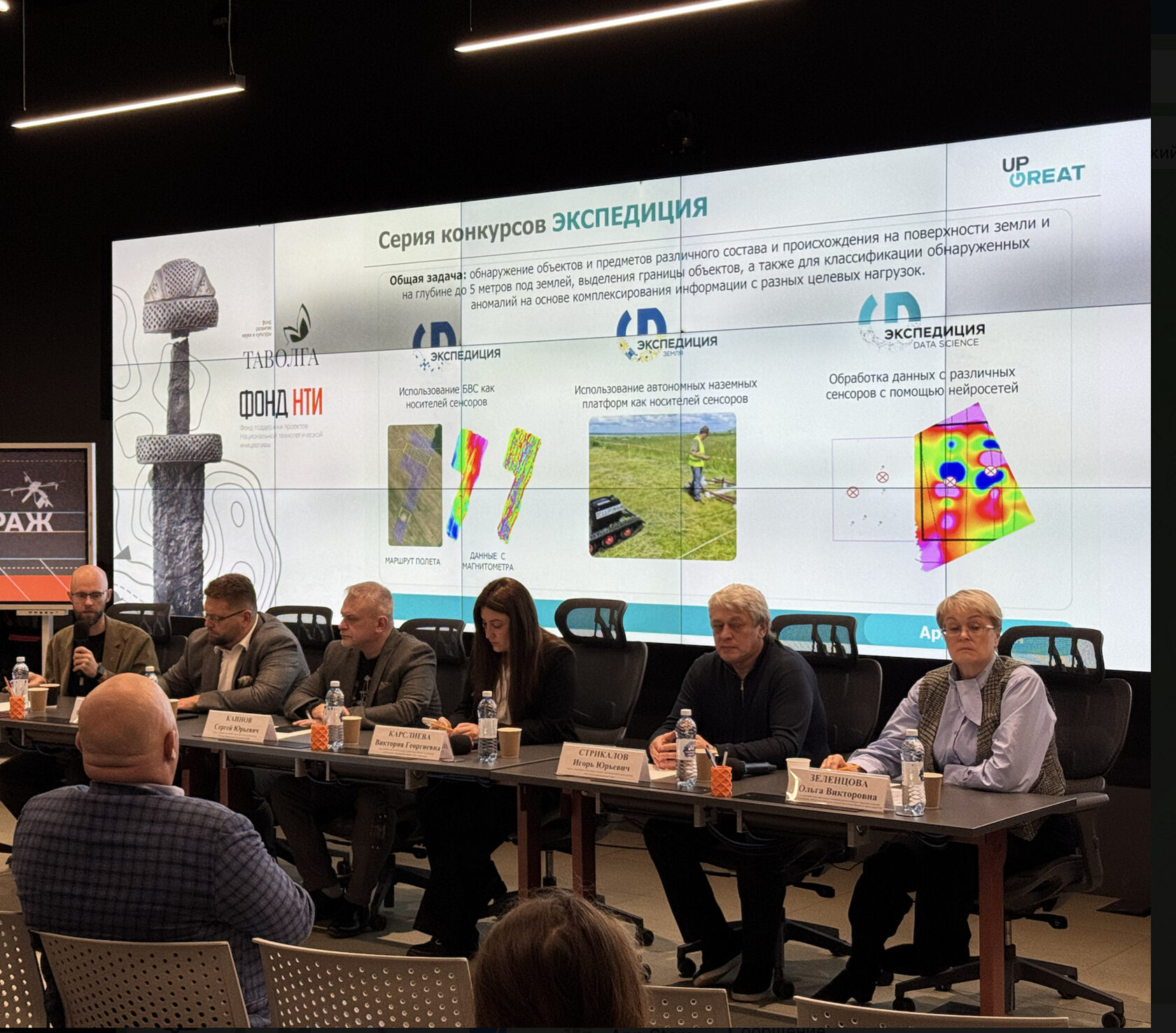
On 21 October, the results of the 2026 InteRussia fellowship in archaeology were presented at the conference “Modern Technologies and AI in the Service of Archaeologists: Results of the 2026 Field Season”, organised by the Foundation for the Development of Science and Culture “Tavolga” and the Foundation for the Support of National Technology Initiative Projects.
Victoria Karslieva, Deputy Executive Director of the Alexander Gorchakov Public Diplomacy Fund, spoke about the international fellowship programme and the experience of young archaeologists from different countries who took part in fieldwork at the Gnezdovo archaeological complex in the Smolensk Region in the summer of 2026.
The InteRussia fellowship offered participants an opportunity to gain hands-on experience at one of Eastern Europe’s most significant archaeological sites, working alongside Russian specialists and becoming familiar with both traditional field research methods and emerging technologies in archaeology.
A distinctive feature of this year's fellowship was the opportunity to work at excavation sites previously surveyed by robotic systems equipped with artificial intelligence. This allowed the young researchers to explore how advanced technologies can complement conventional archaeological methods and contribute to the study and preservation of cultural heritage.
The presentation highlighted the role of InteRussia in developing international academic cooperation, facilitating professional exchanges, and introducing young researchers from abroad to archaeological projects in Russia.
The conference brought together archaeologists, researchers, technology developers, and representatives of organisations supporting archaeological research to discuss the results of the 2026 field season and the application of non-invasive technologies in archaeology.
A central topic was the outcome of the NTI Up Great technological contests “Expedition. Earth.” During the field season, engineering teams tested ground-based robotic systems equipped with AI at four archaeological sites: Gnezdovo, Shnitkino, Staraya Ryazan, and Zvyagino. The systems were tasked with identifying fragments of pottery, masonry, and structural remains within archaeological layers. Participants discussed the achievements of the robotic systems, their current technical limitations, and the prospects for integrating such technologies into archaeological fieldwork.
The discussion demonstrated how the integration of artificial intelligence, robotics, and traditional archaeological expertise is opening up new possibilities for field research. The experience of the InteRussia fellowship also highlighted the importance of international academic exchanges in enabling young specialists to participate in these developments and contribute to collaborative archaeological research.
